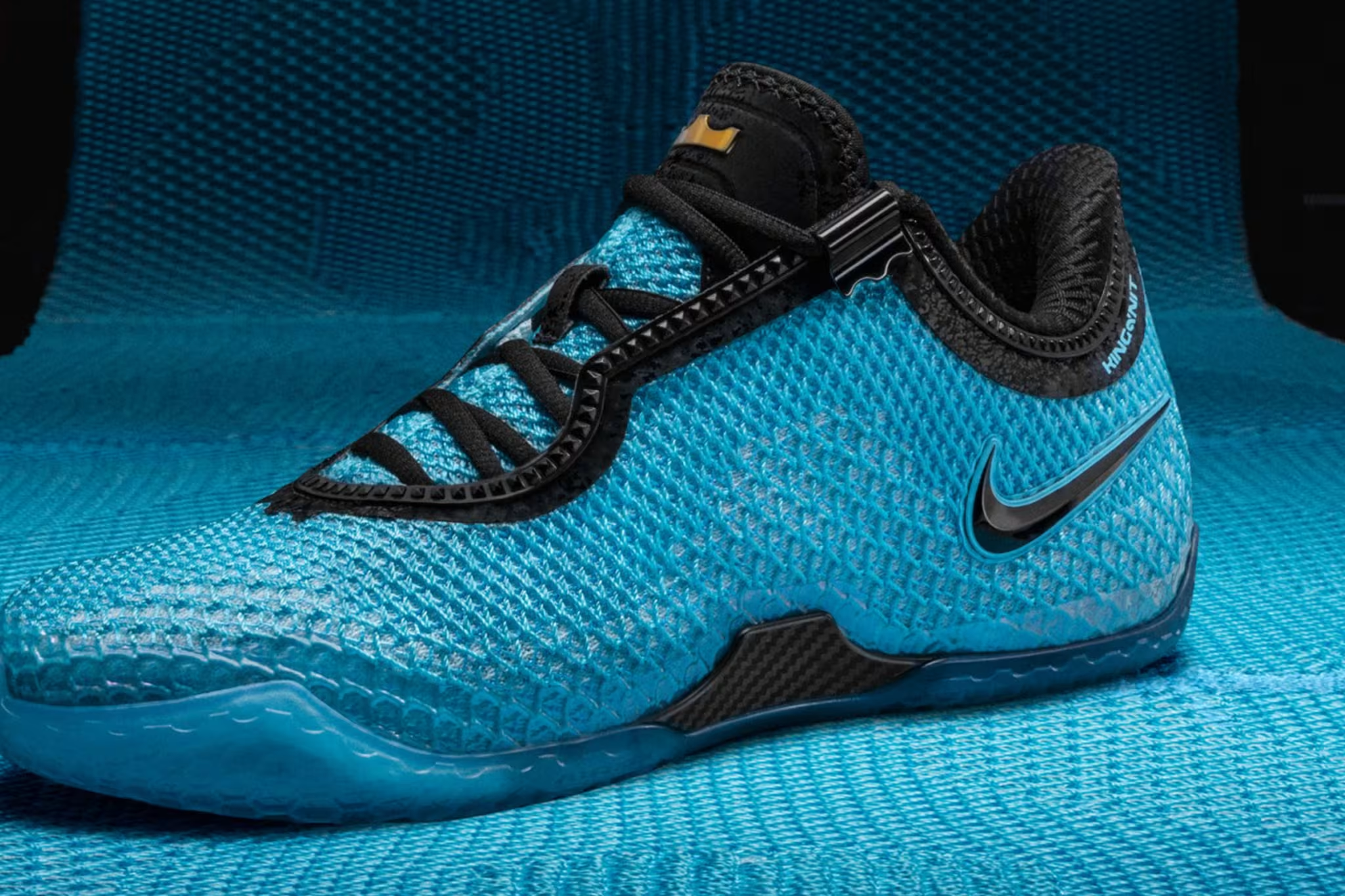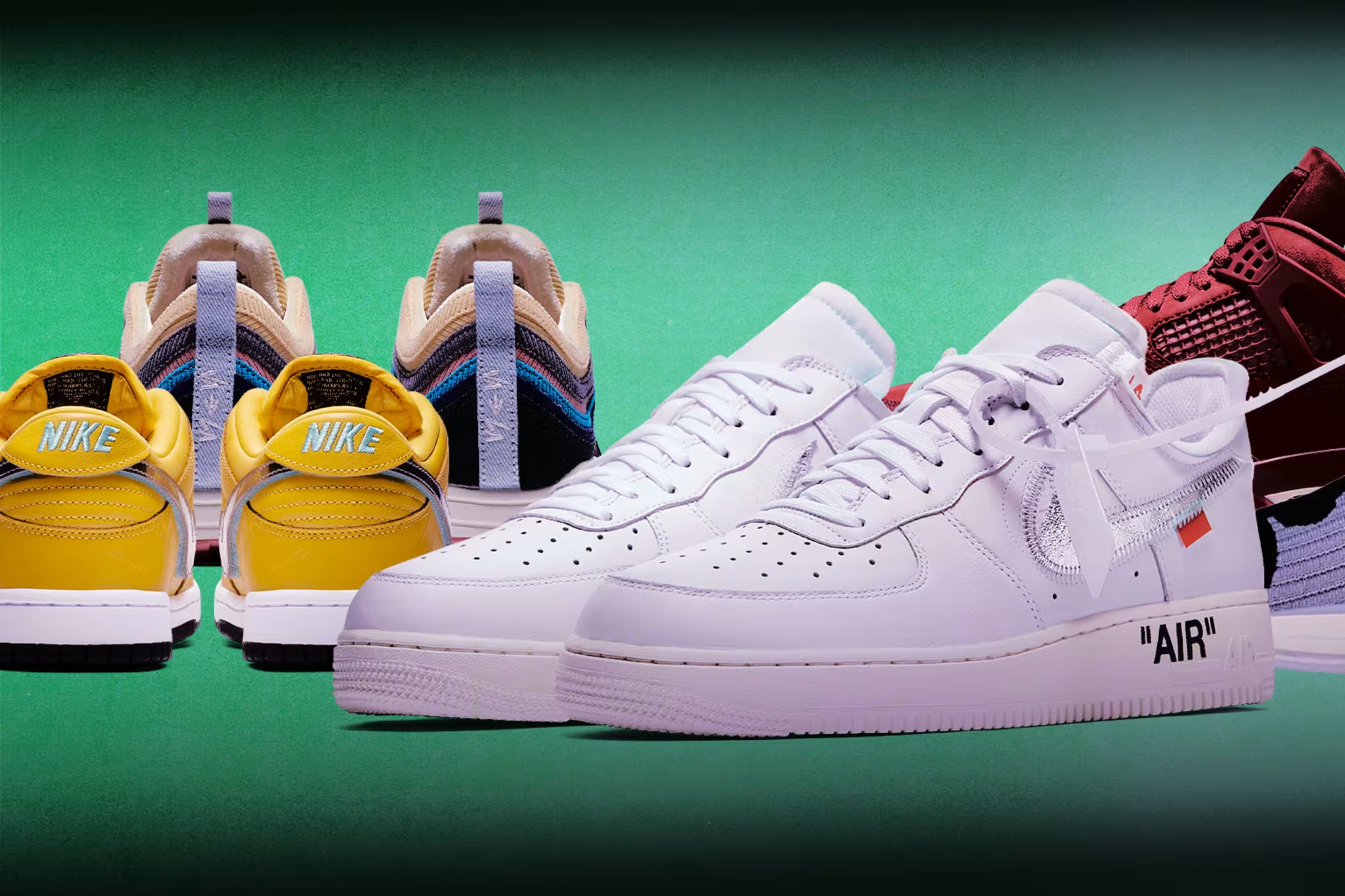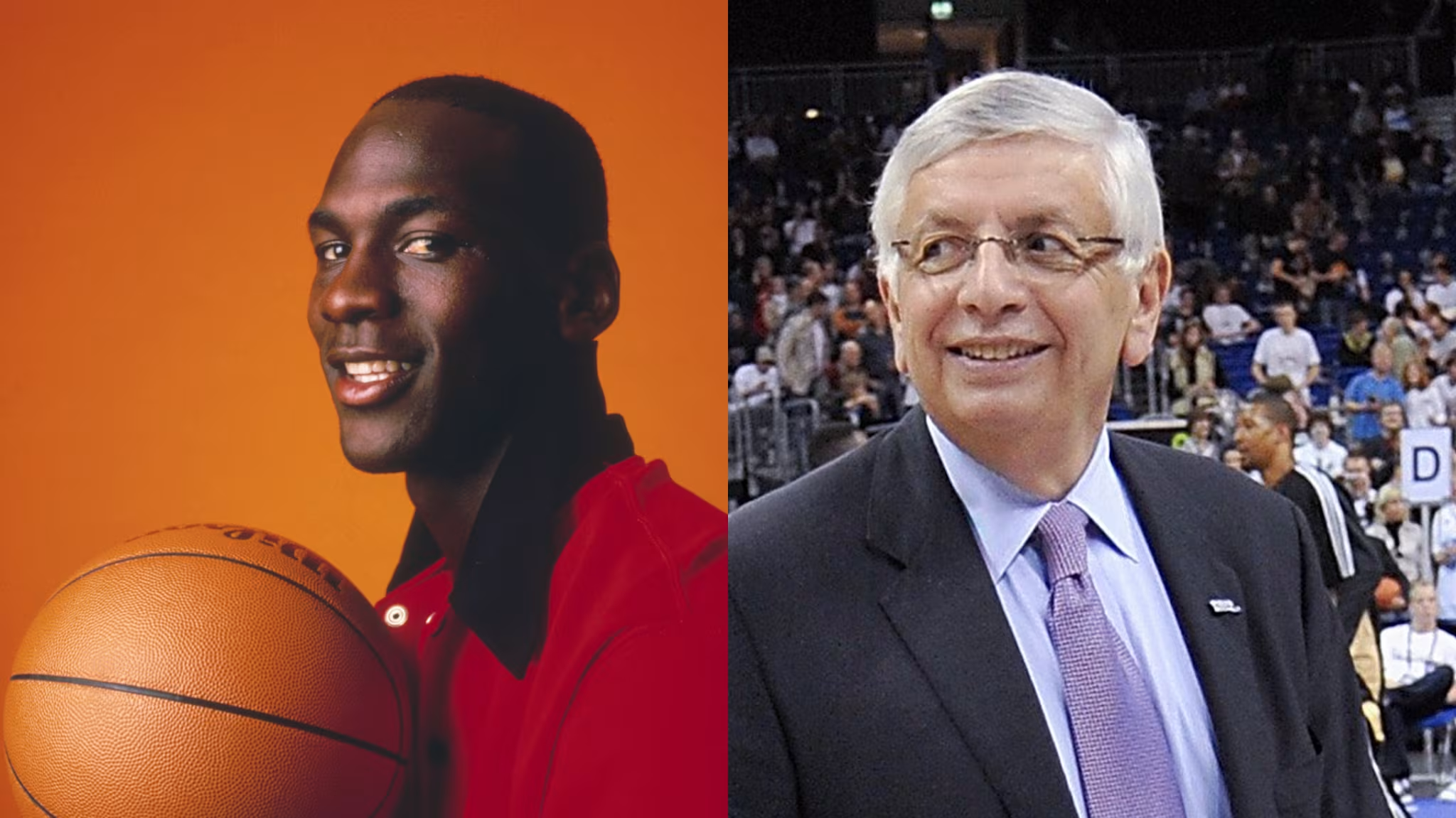
During the 1984-85 NBA season, the NBA enforced a rule requiring sneakers to be at least 51% white and match the team’s colors. Michael Jordan famously broke those rules with his black and red Nikes, and was hit with a reported $5,000–per-game penalty. Nike famously turned that fine into an opportunity, sparking the legendary "Banned" Air Jordan 1 story—although the shoe in question was actually the Nike Air Ship.
Giving Sneakers an Identity
Thanks to these restrictions, signature sneakers had an identity that tied to the players and cities. Black and red Air Jordans screamed Chicago, blue and white Pennys bled Orlando, and purple and orange Barkleys belonged to Phoenix. There may have been less freedom, but there was no doubt why a player was wearing the colors they were wearing.
The Rise of Player Exclusive Sneakers
Player exclusive sneakers rose to prominence thanks to these rules, as special sneakers were made for athletes in their own teams’ colors, even if they didn’t have their own signature models. Seeing Lakers colors on an Air Jordan once felt almost sacrilegious, but that's exactly what made those pairs so desirable. Eventually, special occasions like All-Star Weekend and holiday games eventually allowed players to break away from traditional team colors.
Express Yourself Through Sneakers
Since the 2018-19 season, NBA players have been free to wear almost any sneaker colors, bringing more creativity to the court than ever before. But with new PEs constantly debuting in non-team colors, signature athletes following planned sneaker rotations focused on storytelling, and an unprecedented level of creative expression, has that freedom taken away some of the excitement of seeing something unexpected?
Have NBA Sneakers Become Too Watered Down?
While those special occasion sneakers used to truly stand out, it’s become harder to differentiate what’s what these days. Is that multi-colored sneaker celebrating an occasion? Is it a piece of signature storytelling? Or is it just a matter of personal expression? All of those reasons are valid, but it’s certainly made the actual holiday and special occasion footwear feel less exciting. Do we need the old rules back?
Shop Nike on Complex
 Nike Air Max 95 Big Bubble Off White/Blue
 Nike G.T. Future - Triple Black
 Nike ACG "Chamo Camo" Tee - Sail
 Nike Moon Shoe OG SP - Sail/Chlorophyll
 Nike Air Force 1 '07 Patent Leather - Black/Black
 Nike ACG "Tuff Fleece" Men's Dri-FIT Crew-Neck Sweatshirt - Orange
 Nike Air Diamond Turf 2 - Sail/Mystic Navy
 Nike Air Foamposite Pro PRM "Glow In The Dark"
 Nike Air Max 95 Big Bubble "Pink Foam"
 Women's Nike Air Max Dolce - Black/Red
 Nike ACG Zegama Hike Men's Hiking Shoes - Lime
 Nike Air Rift Florette Women's - Black/Metallic Silver