Key Takeaways
- Mike Tyson and Ric Flair cleared a legal hurdle in their cannabis fraud lawsuit after an Illinois federal judge rejected five defendants’ attempt to dismiss the case.
- The plaintiffs accuse former Carma executives and associates of misusing company funds, arranging unauthorized licensing deals and collecting hidden kickbacks tied to the business behind Tyson 2.0 and Ric Flair Drip.
- Tyson, Flair and their fellow plaintiffs seek more than $50 million in damages, but the ruling only lets the lawsuit proceed, and the defendants deny wrongdoing.
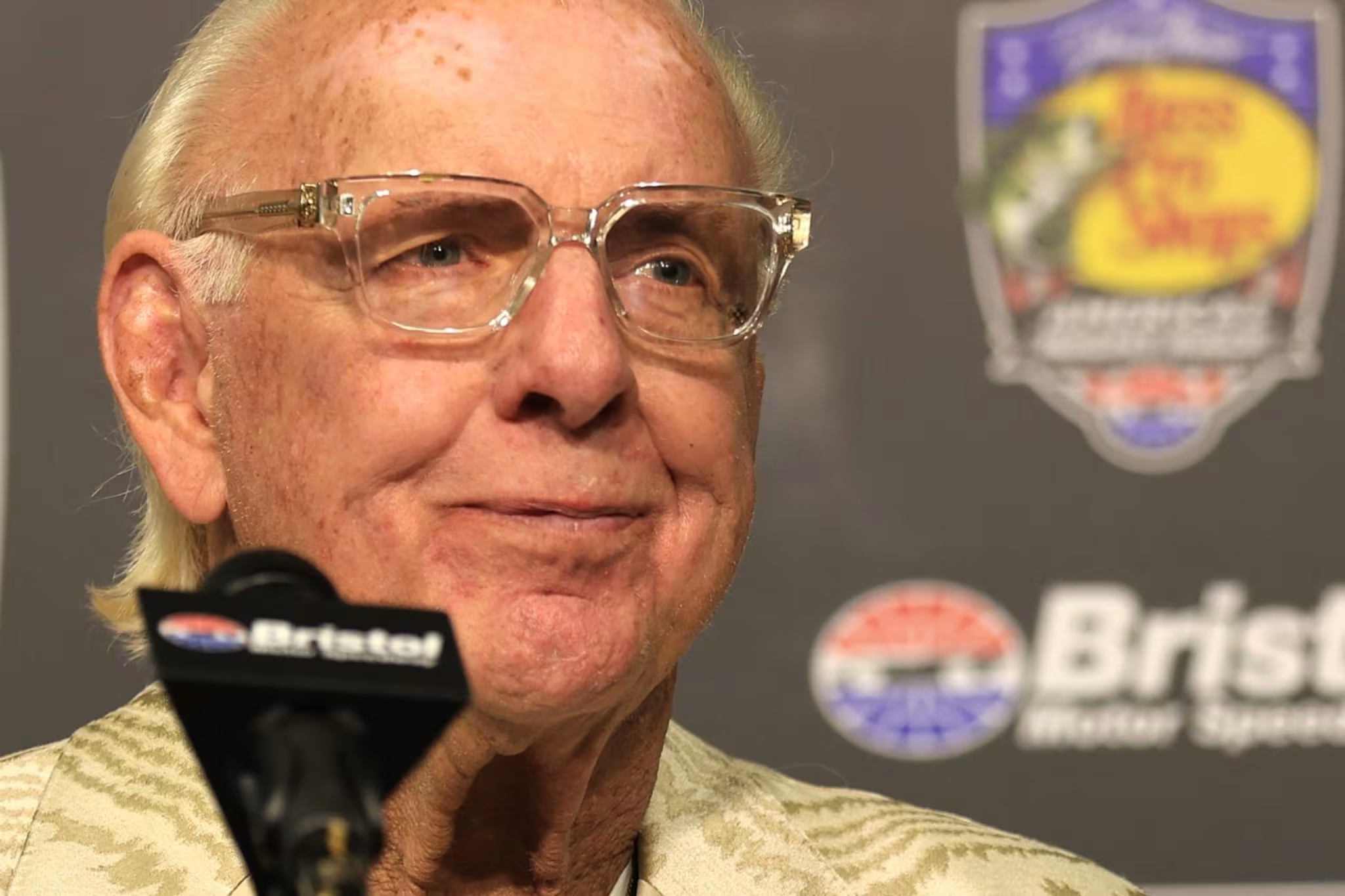
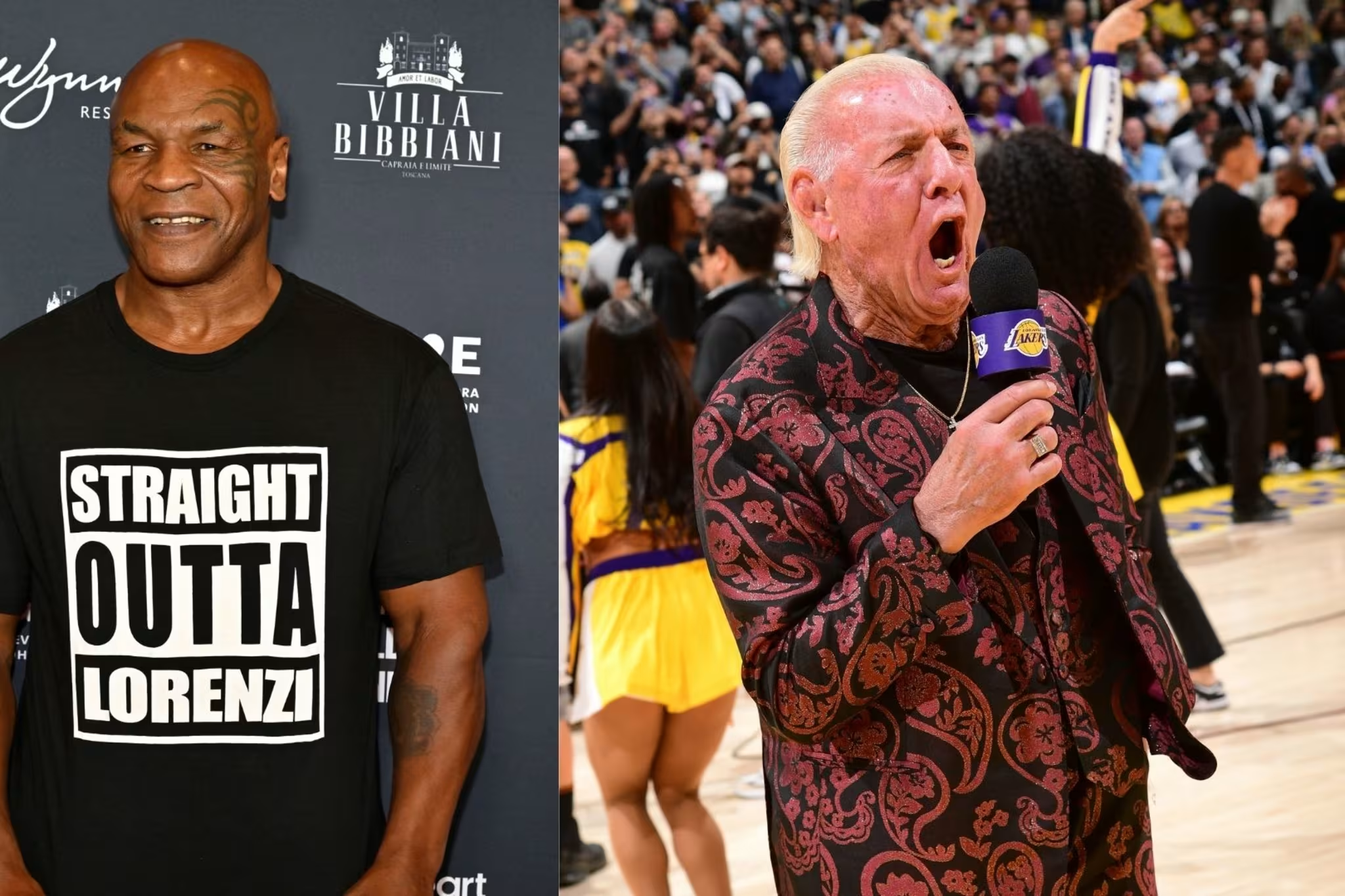
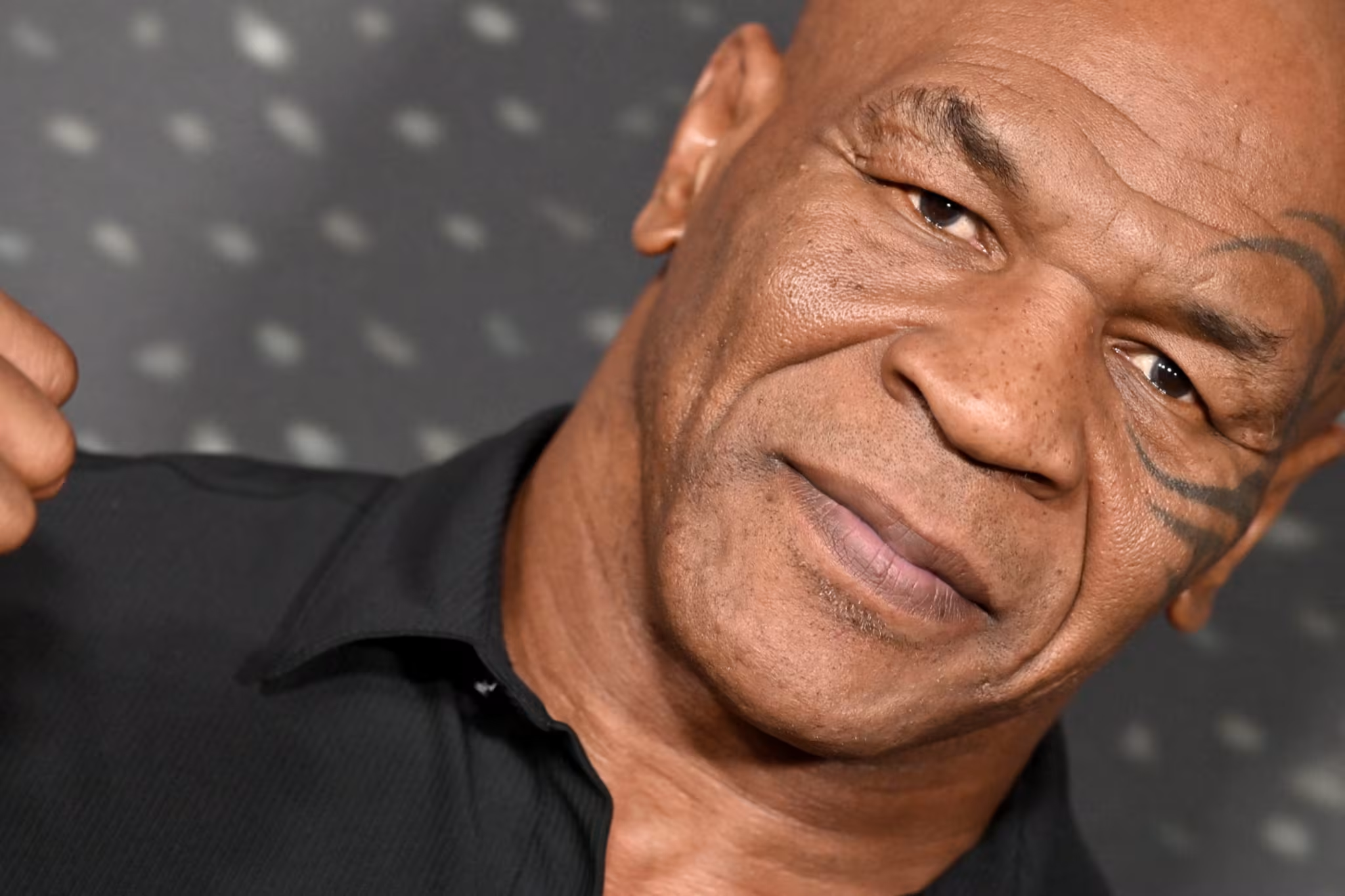
Mike Tyson and Ric Flair aren't walking away from their $50 million cannabis fraud lawsuit anytime soon. The boxing and wrestling legends just scored a major legal victory after a federal judge rejected an attempt to throw out their case against former business associates accused of siphoning millions from their celebrity-backed weed operation.
According to TMZ Sports, an Illinois federal judge denied a motion to dismiss filed by five defendants connected to Carma, the company behind Tyson 2.0 and Ric Flair Drip marijuana brands. The decision keeps the explosive racketeering and fraud allegations alive, allowing the lawsuit to proceed.
The ruling comes nearly a year after Tyson, Flair, Carma HoldCo Inc., and hemp company LGNDS filed a sweeping federal complaint accusing former executives and associates of using their business relationships to enrich themselves. The defendants include former Carma president Chad Bronstein, former CEO Adam Wilks, former legal executive Nicole Cosby, shareholder James Case, and Christopher Volo.
And the plaintiffs aren't holding back about what they believe happened.
A representative for Tyson 2.0 told TMZ Sports that the ruling "represents a significant development in our clients' pursuit of justice," describing the alleged misconduct as "a calculated betrayal of the obligations owed to them and their businesses."
"The defendants sought to have these claims dismissed before the case could proceed on its merits," the representative continued. "The Court's decision allows the litigation to move forward, and we welcome that opportunity."
The allegations themselves involve considerably more than a few questionable business expenses.
In their original 76-page complaint, the plaintiffs accused Bronstein and Wilks of treating Carma "as their own personal piggy bank," allegedly spending more than $1 million in company funds on private jets, yacht-related expenses, home renovations, mortgage payments, and lavish entertainment.
The lawsuit also alleges that certain executives negotiated unauthorized licensing deals and collected undisclosed kickbacks involving the company's intellectual property.
Among the accusations was an alleged arrangement with vape manufacturer DomPen that supposedly allowed unauthorized use of Carma's intellectual property in exchange for concealed payments.
The defendants have denied wrongdoing.
Attorney Jonathan Cyrluk, representing Bronstein and Cosby, previously dismissed the allegations as "fiction dressed up as a lawsuit," while Wilks' attorney, Terry Campbell, called the claims "without substance."
The stakes extend beyond the alleged missing money. Tyson and Flair built their cannabis ventures around two of the most recognizable identities in combat sports, licensing their names and likenesses to products marketed through Carma and its partners.
Tyson and Flair are seeking more than $50 million in damages.