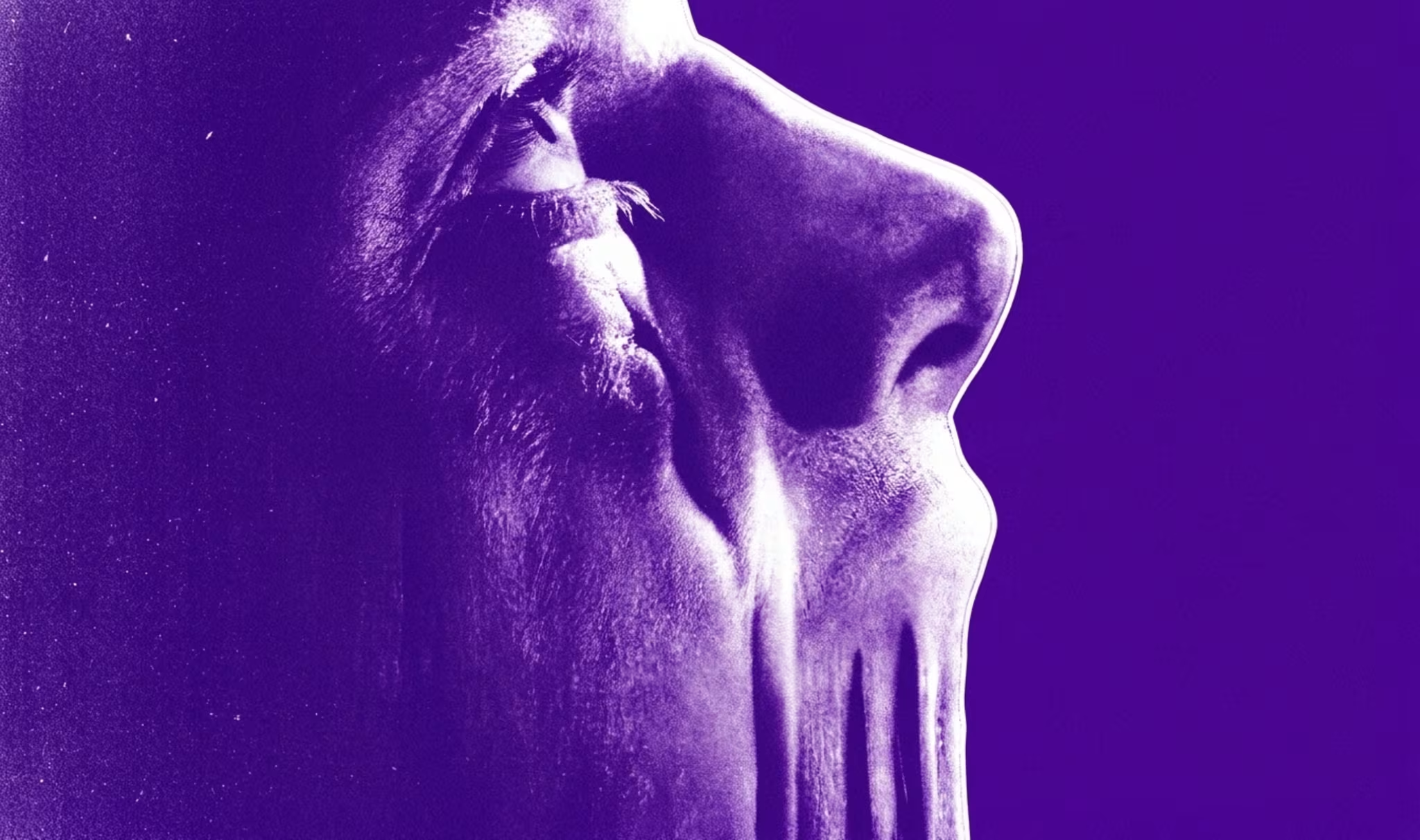
Clayface, the newest film in the burgeoning DC Universe, topped the box office this weekend, earning $43 million worldwide. That's not the sort of high-stakes result we've come to expect from superhero films, but it's important to view this success in its proper context. The movie cost $30 million to make, and already, it's earned back its budget.
Not everything has to be a $300 million epic with world-ending implications. Not everything has to be a tentpole event for the larger narrative to come. That is, after all, what killed people's interest in these films to begin with. Clayface embodies the exact opposite of this mentality, and that's why watching it is a joy and a relief. It tells an interesting, personal story about a single person in Gotham City, and like all the best villain origin stories, it makes us pity and even like the main character before pushing him beyond redemption.
There are no obvious fan service tie-ins to the future, which works in the film's favor; it's concerned, first and foremost, with being a good film in its own right. But a few ‘blink-and you’ll miss-’em’ Easter eggs tell us, quite clearly, that a bigger world exists beyond the film's narrow scope. Here are 10 trivia facts and Easter eggs from Clayface that you might have missed.
Shop Street Fighter on Complex


Throwback font
The title card at the beginning of the movie uses a retro block-letter font, similar to the title card for Pulp Fiction (1994). Like that movie, this movie also takes place in Hollywood and has a “grindhouse” presentation that leans into the grotesque.
Killing Joke
At the beginning of the movie, Matt Hagen is nominated for his acting performance in movies, alongside other actors. If you pay close attention, the movie titles reference famous Batman storylines. Most notably, there's a movie called "One Bad Day," a homage to Alan Moore and Brian Bolland's "The Killing Joke" graphic novel. In it, Joker speculates that all it takes is "one bad day" to turn an average person insane.
Wayne Community Center
We see a clip of Matt at the Wayne Community Center, which is a pretty clear reference to the Wayne family's philanthropic efforts. Batman comic writers love cruel irony. Two-Face was a district attorney before the acid attack. Harley Quinn was a doctor at Arkham Asylum before Joker corrupted her. Thus, it makes perfect sense that a young Clayface is mentoring kids at the Wayne Community Center, which is dilapidated and falling apart. Tossing money at a problem rarely solves it.
Coast City
Matt is pursuing his movie career in Coast City, the rough DC Comics equivalent of Los Angeles. It is best known as the home city of Hal Jordan, aka Green Lantern. Hank Henshaw, aka Cyborg Superman, decimated the entire city during the "Reign of the Supermen" arc in the mid-'90s.
Godfather homage
When Matt discovers that Corey betrayed him, he embraces his former friend and hisses, "You broke my heart." This directly echoes The Godfather Part II (1974), when Michael Corleone says the same thing to Fredo, his traitorous older brother.
Gotham Gazette
The movie uses the Gotham Gazette's headlines to summarize the film’s events and move the plot forward. The Gotham Gazette also features in The Batman (2022) and The Penguin (2024). It begs the question: does this movie take place in Matt Reeves' Batman universe, and if so, is that Batman universe now part of the DCU? In the past, we've been told that Reeves' Batman universe is a standalone. But plans can always change.
Amusement Mile
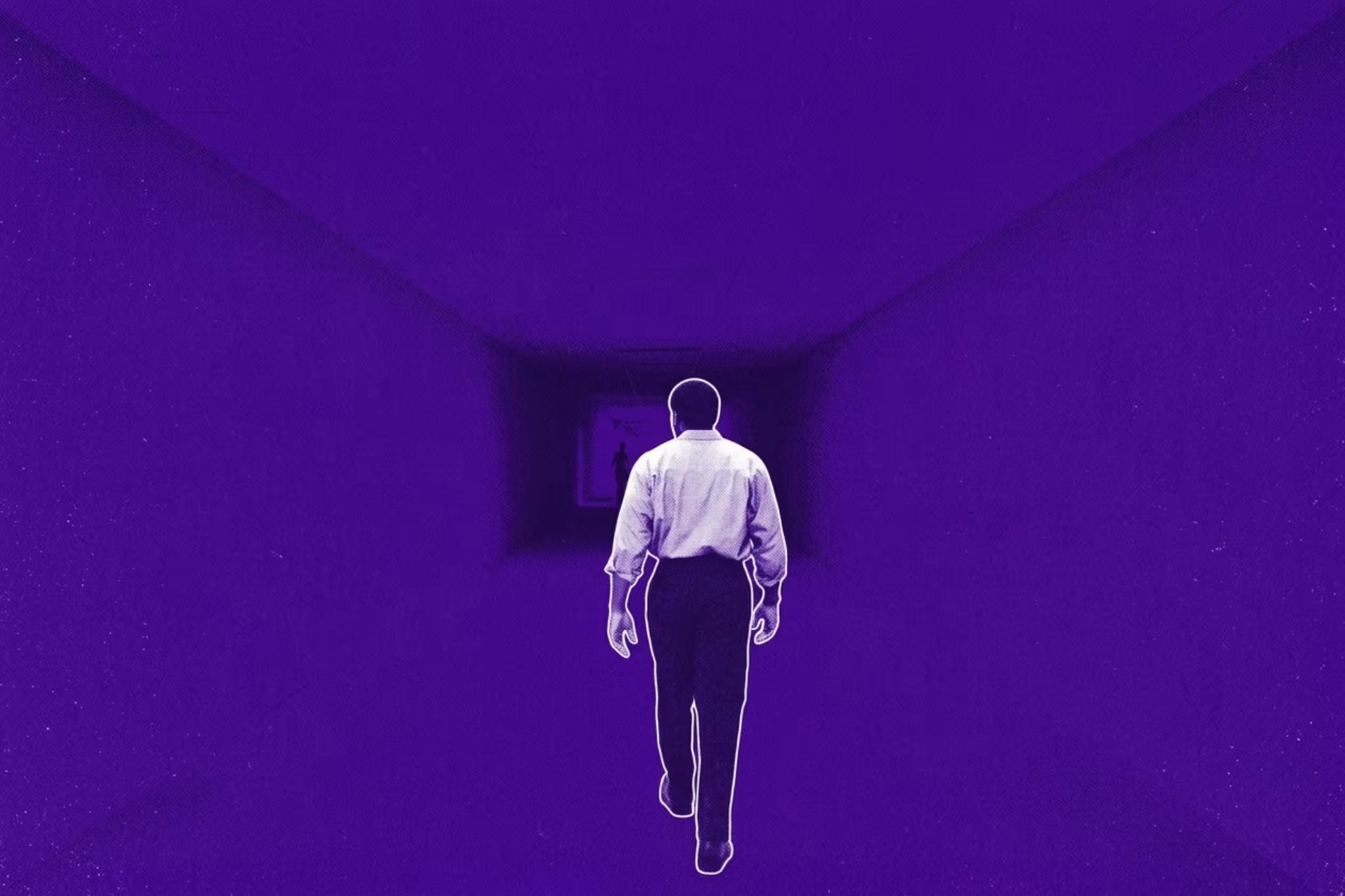
Near the middle of the movie, Dr. Corr is walking through an underground tunnel, and we see an amusement park advertisement on the wall, with a clown face front and center. This is an ad for Amusement Mile, a notorious Joker hideout in the comics.
Club Vesuvius
The movie’s climax takes place at Club Vesuvius, which has its own history in the comics. It's a mob-affiliated hangout where sorceress Zatanna performs stage magic to cover her real powers.
The Narrows
Matt grew up in the Narrows, a Gotham City neighborhood, like Metropolis’s Suicide Slum, infamous for poverty and high crime.
Final form
We don't see Clayface's final, monstrous form until the film’s final frames. This is very reminiscent of the TV show Smallville, which deliberately didn't show Clark Kent as Superman until its final episode. This is Clayface's origin story. And once he becomes the Clayface we know and recognize, it's no longer an origin story.
Clayface is an R-rated body-horror film, not a PG-13 romp with mass appeal. It's really unsettling, weird, and gross, which are bold things to be in 2026.
More low-budget projects should give filmmakers the freedom to explore and take risks. In that sense, Clayface is one of the first superhero films of its type, and we can only hope it's not the last.