Key Takeaways
- Prince Harry says therapy taught him that he will never “get over” Princess Diana’s death but can carry her memory without letting grief hold him back.
- After years of emotional numbness, panic attacks and depression, Harry says therapy gave him permission to grieve, cry and recognize that happiness does not betray his mother.
- Harry says healing has helped him connect with Archie and Lilibet, and he remains hopeful about reconciling with his father and brother.
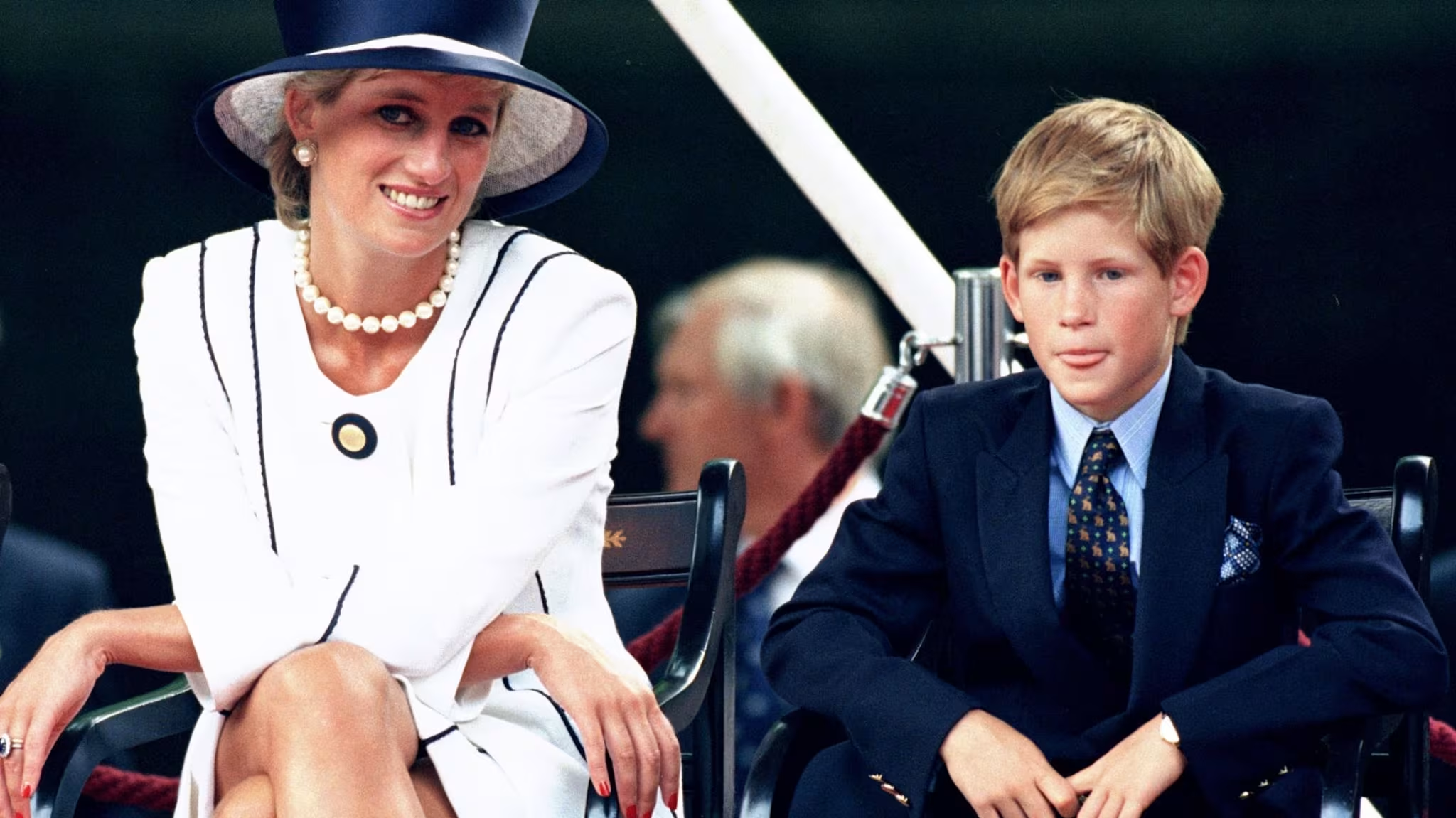
Prince Harry says he's finally learned how to live with the grief of losing his mother, Princess Diana—and it took him years to realize that finding happiness didn't mean leaving his mother behind.
In a new interview with GQ's Zach Baron, published Oct. 20, the Duke of Sussex opened up about how therapy changed his relationship with grief, nearly three decades after Diana died in a Paris car crash when he was just 12 years old.
"I've learned to, I guess, accept and understand that you don't ever get over grief. You learn to live with it," Harry said.
For years, Harry struggled with the idea that moving forward meant abandoning his mother's memory.
"If I give up on the grieving, does that mean I give up on the memory of my mother?" he recalled asking himself. "And at the same time, if I become happy, is that a betrayal of her memory?"
"Therapy was the thing that really changed it for me, because it gave me permission to grieve and to acknowledge the fact that yeah, losing your mom really sucks, and you're allowed to cry about it," he explained.
During that conversation, Harry revealed that he didn't cry when he learned Diana had died. He shed tears at her burial but then went nearly 20 years without crying again.
Speaking to GQ, Harry said suppressing those feelings also affected his behavior when he was younger.
"Was I sometimes doing that to suppress the sadness of losing my mom? Yes," he said of his nights out with friends. "Was I aware of it at the time? Absolutely not."
His military service provided another distraction, although Harry now recognizes that staying busy wasn't the same as processing his loss.
These days, he says the biggest difference is his ability to connect emotionally with his family, particularly Archie, 7, and Lilibet, 5.
He also acknowledged that he still thinks about Diana regularly, sometimes wondering what his family might look like if she were alive.
The interview touched on Harry's strained relationships within the British royal family, including his father and brother. When asked whether he wants to repair those relationships, he answered, "Of course I do."
"The most important thing is to reconcile," he added.
Harry also addressed criticism of his decision to speak publicly about his experiences, questioning why others can publish accounts of his life while he faces backlash for sharing his own.
"Everybody else is allowed to tell their version of my story, but God forbid I should be able to tell the other side of it," he said.
And when it comes to Princess Diana, he no longer sees grief as something that must prevent him from enjoying his life.
"I love the fact that I'm able to now carry the memory of my mother with me, with my work, rather than it hold me down," he said. "This grief can either hold you back, or it can help you grow."