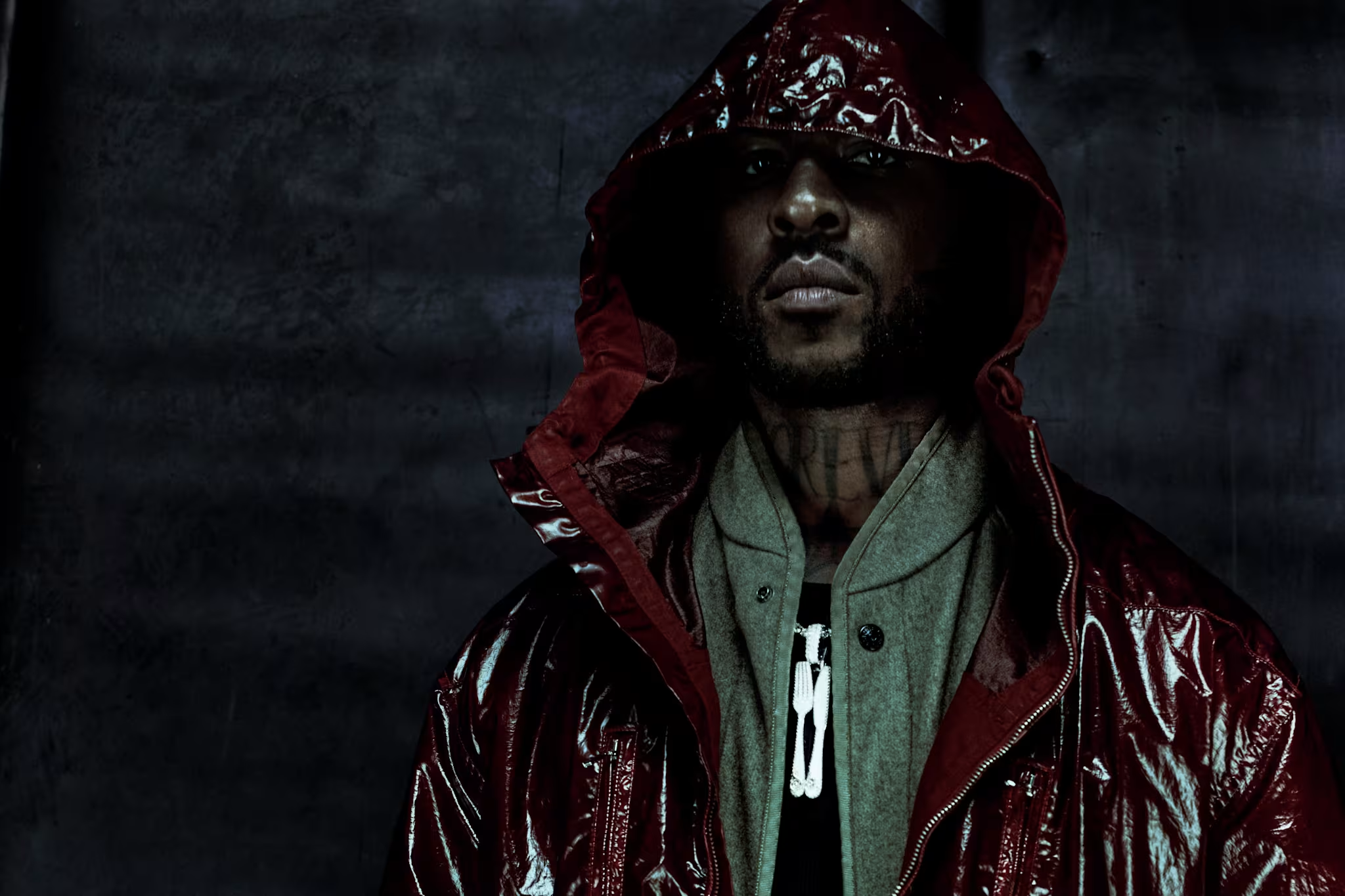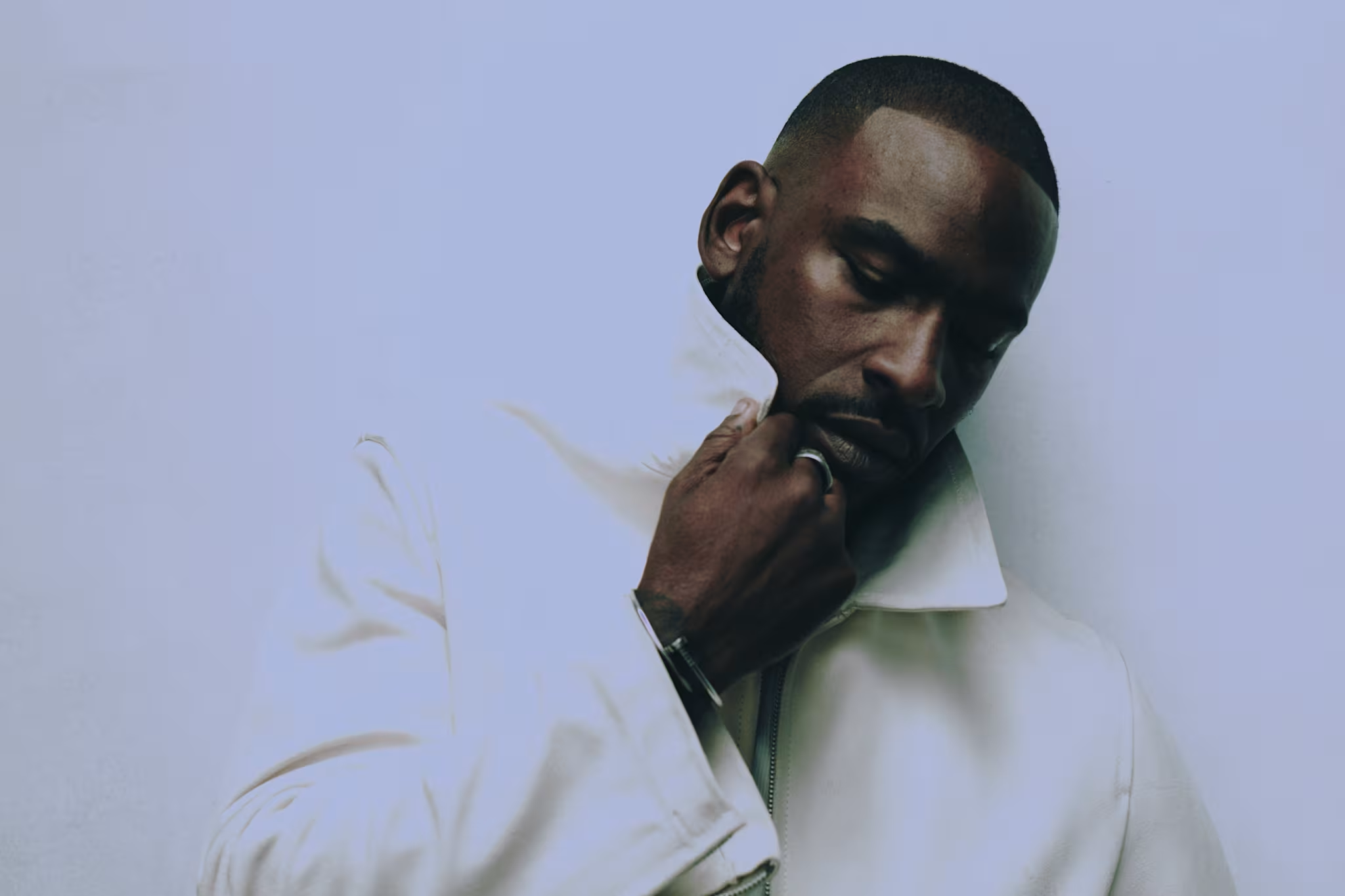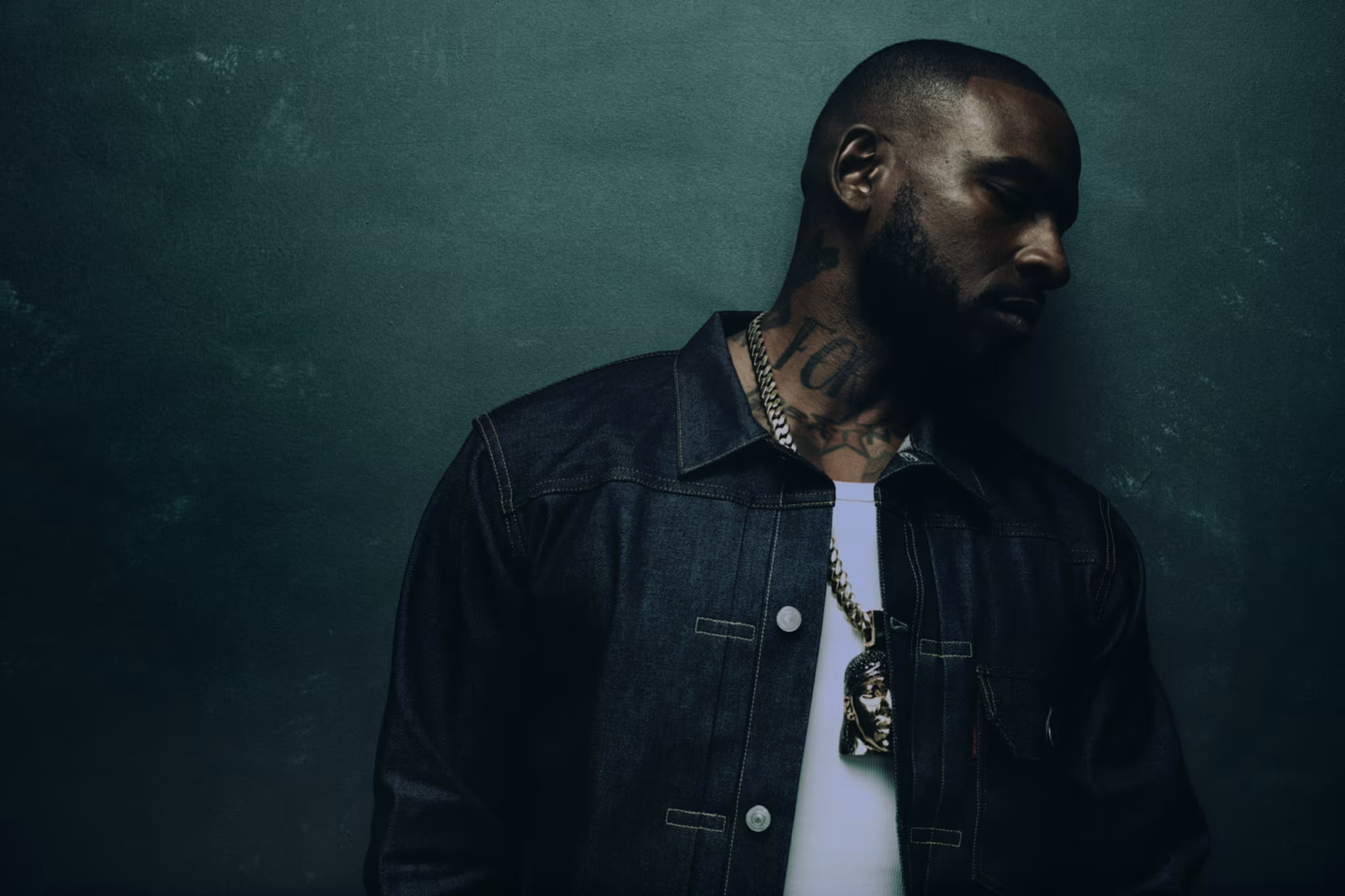
Seven years on from Ignorance Is Bliss, and the Skepta that stands before us is a very different man.
A lot has changed for the North Londoner, not just since that album but over the last decade or more. With Konnichiwa, Skepta conquered the world; he was the darling of the music and fashion industries, and he had vast swathes of the world marching to the beat of the UK’s drum. But nothing lasts forever, and its 2019 follow-up saw Skepta conflicted as he tried to marry fatherhood and fame while coming to terms (as we all were) with a cynical post-Brexit, post-Trump world. The Fork & Knife, however, feels more settled and more sure of who he is as a person, as a musician, and as a father.
The years since Ignorance Is Bliss have seen him conquer Ibiza and the dance music scene with his Más Tiempo empire; he’s grown into fatherhood and his 40s very nicely; and he seems more attuned to his heritage and his place in the world. Right from the meditations on fatherhood in “Secrets Of Patriarchy”, it’s clear he’s done a lot of growing up, and that hits you from track one. Every facet of Skepta is pieced together neatly on the new album. Its strong visual aesthetic draws on 1980s Nigerian-British imagery, football culture, the influence of the Windrush gen, and the complexities (and contradictions) of Britain in 2026. There’s still no shortage of things for Skepta to be angry or fearful of, but the pronounced self-assuredness and steeliness give it a very different dimension.
After the jump, Complex UK’s music team share first thoughts on Skepta’s new album, The Fork & Knife.
Best song?
JP: “Secrets Of Patriarchy” because it sets up the rest of the album real nice, both thematically and sonically. Skepta takes us back to his school days, growing up as the child of Nigerian parents, with the surname Adenuga, and recalls a classmate taking the mickey out of said name. Joseph Junior Adenuga grew up at a time when, as a Black person in Britain, if you were not Caribbean—deemed some of the coolest people in town (hi there, lol)—you were almost made to feel like you were somehow less than. Obviously, times have changed, and the children of African immigrants are now, in many ways, leading the charge across culture, business and beyond in the UK. But it wasn’t always like that, and this track goes some way towards explaining the experiences that informed Skepta’s sense of identity, and how he’s come to fully embrace the heritage that he was once made to feel ashamed of. It’s a super-personal way to open the LP, setting the tone for a project that sees Skepta nod to the past while standing firm in who he is in the here and now.
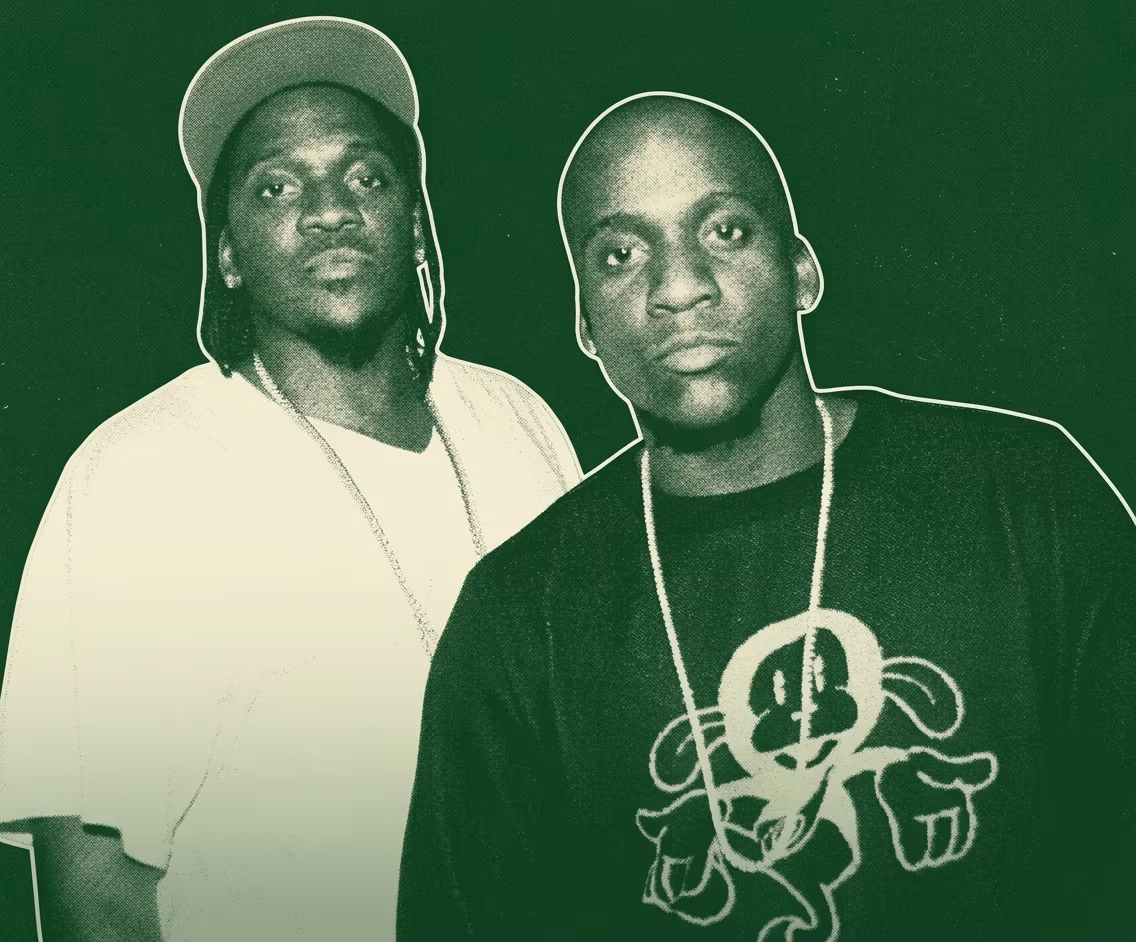
Yemi: Too many to name. There’s “Cold Shower”, which, as a big Project Pat fan, felt like my worlds were colliding in the best way. Then there’s the pure madness of tunes like “Currency” and “Belly”, But man, Skepta and his album intros! He really knows how to pull you in. “Secrets Of Patriarchy” was an instant wheel-up on many levels, mainly because it reminded me of Blacklisted’s iconic opener, “Same Shit Different Day”, in its feel and execution. It’s almost like an evolved version. Skep is so entrancing as he lets us in on a typical day in his life, from checking on his mum to getting fitted in Burberry. That duality is what has always pulled me in: that groundedness that never wavers, no matter how far he moves up in the world. An amazing scene-setter for the rest of the album.
James: I have written and deleted about half a dozen entries for this one, but I’m going to settle on “Aloe Vera” featuring Asake. Two absolute giants at the top of their game here. Skepta’s performance on this track, for my money, is his most explosive, and it’s hard not to join him on that level. The Nigerian influence is a key ingredient throughout (obviously), but still, it feels like he’s taking a really big swing… but it’s so perfectly executed. The Afro-club production goes unbelievably hard, and Asake’s gently bumping vocal melodies are the perfect counterbalance to Skepta’s MCing. And that ravey little organ melody that Asake rides? My word!
Biggest skip?
JP: N/A.
Yemi: ”Gas Me Up”. It’s not a bad song—in fact, I enjoyed it when it first came out—but in the midst of fresh new Skep tracks, this is the one I skirt past. Speaks to the album’s quality, to be honest.
James: It’s “Melody” for me. Maybe it would have worked as a standalone, but I think it just disrupts the flow of the album. I can’t fault Skepta for wanting to do something unexpected, but he doesn’t sound completely comfortable on this beat. It just doesn’t gel for me.
Best thing about the project?
JP: I rate the fact that a good 75% of this album is pure, uncut grime. Bar a few excursions into trap-rap, like “Magic” and the brilliant “Cold Shower” with Project Pat, as well as dubstep (“Victory Lap”), Afro-house (“Aloe Vera”), rave (“Innocent Smile”) and indie-rap (“Pandora’s Box”), The Fork & Knife finds Skepta firmly back in his grime bag; only, this time, there’s a maturity to the sound that reflects where he’s at in life. It’s almost like grime has grown in sound and scope alongside him, and even when Skep gets properly introspective—as he does on “Secrets Of Patriarchy”—he’s still laying his thoughts bare over hard-edged production at 140bpm, making for a soul-satisfying juxtaposition for grime fans who have also lived a life.
Yemi: Honestly, it’s the pure clarity of Skepta’s voice and storytelling. This is a part of his arsenal that has rightly been praised over the years, but as he looks inward thematically on The Fork & Knife, his voice does an immense job of carrying the emotion of every song. Whether he’s celebrating himself or evaluating the dimmer parts of his life, Skepta’s diction is what keeps you glued to his every word. It’s a skill that can’t be taught; you either have it or you don’t, and he is unrivalled.
James: The production value. Skepta’s put a lot of time into this one, and it shows at every turn. Nothing sounds rushed; he’s poured all of the lessons learned over the past decade into this album, and it pays off massively. He’s dialled all the way into what makes him special. Skepta is at his best when he’s shouting London—better yet, Tottenham—from the rooftops. We’ve got drum & bass, we’ve got rap, we’ve got grime, alt-rap, a legend of 2-tone ska, invocations of the Nigerian diaspora. It’s Britain in a nutshell. Even when he brings Project Pat into the mix, the slow-and-low Memphis drawl fits the agenda perfectly.
Worst thing about the project?
JP: N/A.
Yemi: I’m generally not a fan of artists adding long-before-released singles to their new albums. It happens here with “Gas Me Up” and “Victory Lap”. I get it, get those streams and sales up, but I’d prefer two new songs every time. But the game is the game.
James: It’s hard to say. Personally, I love the album and can only really nitpick. Perhaps the tracklist could have been trimmed by one or two songs? I’d start with “Melody”, and I’m not sure “Victory Lap” needs to be included either.
Best feature?
JP: Everyone on “Belly”. This posse cut takes me back to Skepta’s “Private Caller” days, circa ‘04: fresh off-road, straight GREAZE mode for your headtop! Bossman brings that OG Meridian badness, while Queenie, Kruz Leone and Kibo come through with the kind of gas that’ll make you wanna reload the ting! Frisco, Mayhem NODB and Jme also show up, and indeed show out. There’s something special about hearing MCs attack a grime riddim with this much hunger in 2026, especially when everyone sounds like they’ve got something to prove. It’s a proper gathering of MCs going bar for bar, bringing that old-school pirate radio/block energy back to the fore. If you didn’t screwface at least once listening to this, you ain’t really ‘bout it, ‘bout it.
Yemi: There were a few—shouts to Project Pat, Kibo, Queenie and Skepta’s daughter, River, on the hidden track—but it has to be Finessekid on “Magic”. The South Londoner has been one of my faves since he dropped his self-titled EP last year, with skippy flows and incisive bars for days. But it’s clear that he’s also graduated from the Skepta school of clarity: his raps are crystal clear. And the chemistry between him and Skep is so kinetic. Thinking out loud a little, but joint tape soon?
James: Finessekid’s guest spot on “Magic” is an absolute stormer, but “Belly” feels like we’re back on Microphone Champion territory. When I first saw the billboards listing the features, it was Queenie I was most excited about, but I have to hand this one to Kibo. When you’re on a line-up like this, there’s no room to hide, and you have to love how unbelievably hard he ran at this track. Every single word is a banger. The WWE bars, the Pokémon references… the “K-W-E-Double-F! Kweff! Instant death!” And let me tell you, that last one is going to be tearing the roof off raves for years to come. Mark my words.
Overall first impression?
JP: Like I told Skepta in Complex UK’s debut cover story: we needed this. The UK music scene needed this! 5/5
Yemi: Not only was The Fork & Knife worth the seven-year wait for a new Skep album, but it reaffirmed everything I love about him: his steadfastness in who he is, the lore of his story finding new layers, how he feels about his journey, what he hopes for the future. This album is a peek into the many sides of Skep: the party starter, the elusive recluse, the counsel speaking to the issues facing his generation, the grime general, the international star. His musical ear is sharper, and he brings that force of will in spades. I mean, Suggs, Project Pat AND Chase & Status on the same album? Those are some serious pulls. And with impeccable replay value, Skepta has reminded us once again of just how top-tier he really is. 4/5
James: It’s a welcome return from Skepta. Seven years is a long time in the modern era, but I’ll take big waits over music churned out like it’s throwaway #content. Skepta’s seen a lot and done a lot in the years since Ignorance Is Bliss, and it’s made for a richer album. He also seems to have really keyed into what he does best and focused on refining that. The high production values that defined his work from the last decade are the defining feature of the album, and with Project Pat as the sole U.S. guest, the American influence that sometimes threatens to dilute the formula has been pared back to a minimum. Even left-field decisions like a spoken-word performance from Suggs actually works. Skepta’s not playing it safe, but he is playing it smart. 4/5