Key Takeaways
- Kooda B sued 6ix9ine for defamation, alleging his former associate falsely called him a “snitch” in livestreams and interviews, damaging his music career and exposing him to threats.
- Kooda B cites court records describing his guilty plea in the 2018 Chief Keef shooting case as noncooperating, disputing 6ix9ine’s claims that he identified the shooter.
- He seeks more than $150,000 in damages, a jury trial and a court order stopping 6ix9ine from repeating the alleged false claims.
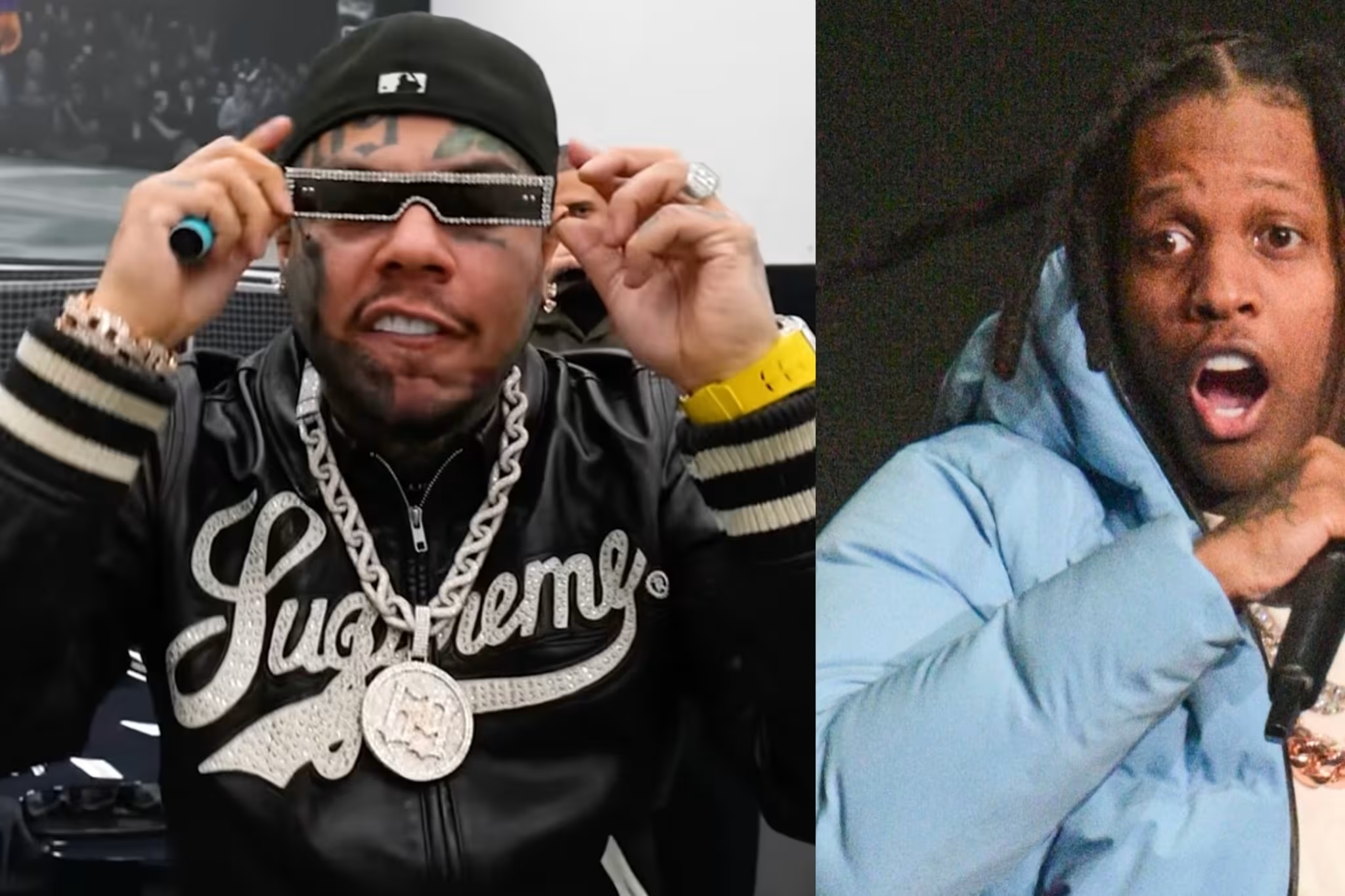
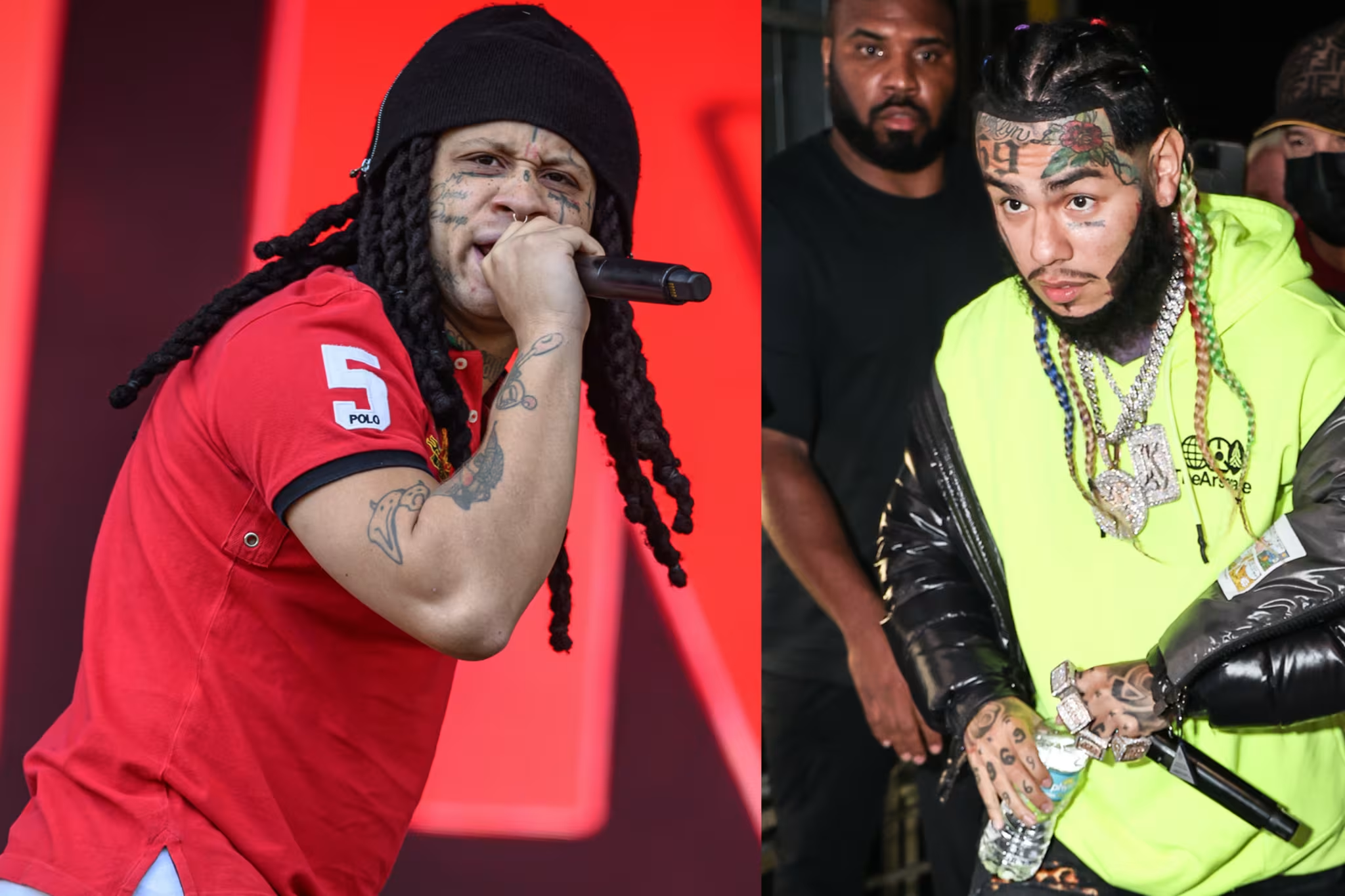
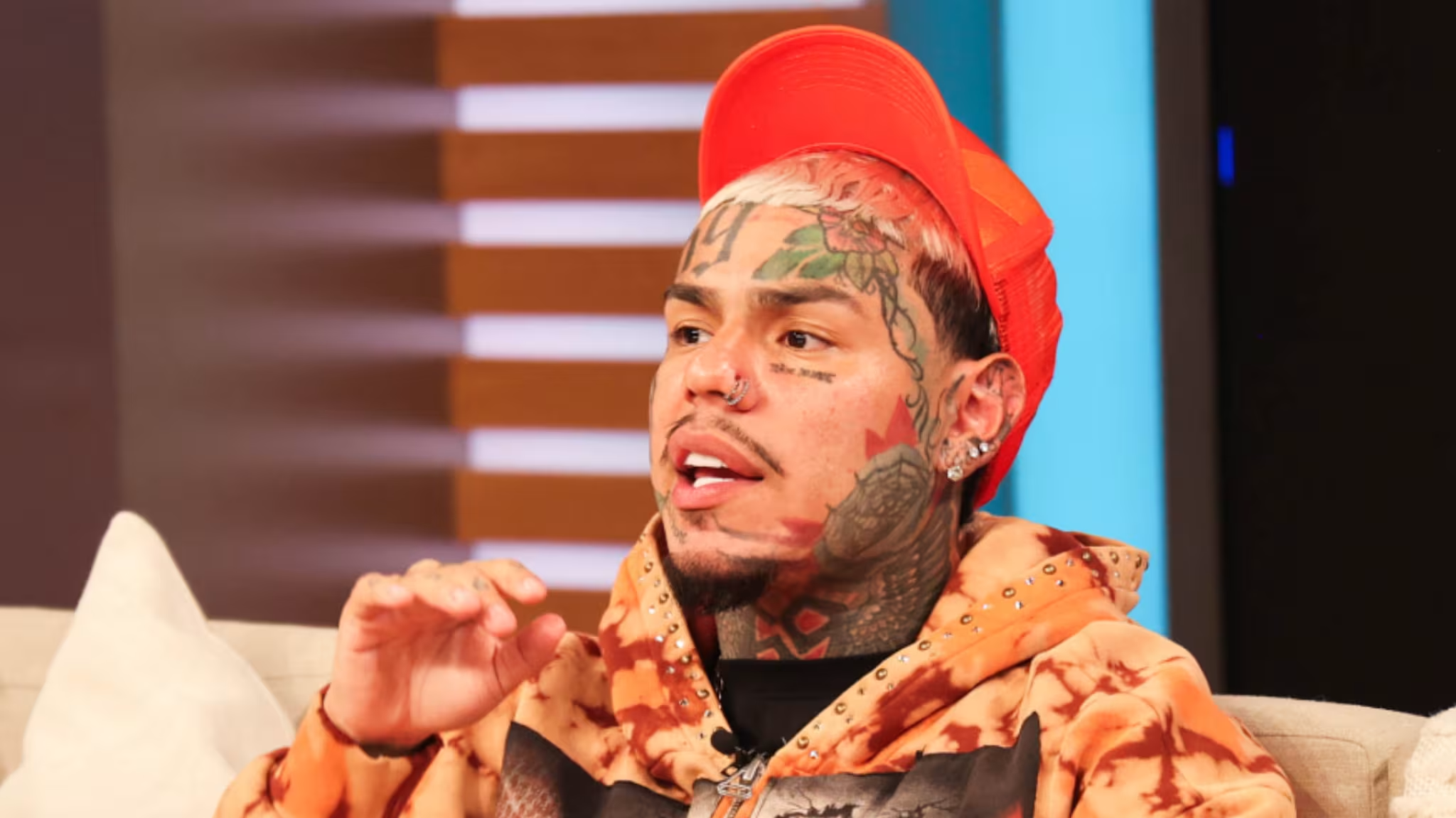
6ix9ine is facing a lawsuit from fellow Brooklyn rapper Kooda B, who accuses the rainbow-haired artist of falsely calling him a snitch and making public statements that have damaged his music career and put his safety at risk.
According to a complaint reviewed by Complex, Kooda B (whose real name is Kintea McKenzie) filed a federal defamation lawsuit against 6ix9ine, born Daniel Hernandez, on Oct. 16 in the U.S. District Court for the Eastern District of New York.
The lawsuit targets a series of public appearances spanning from 2021 through late 2026, alleging that 6ix9ine repeatedly claimed across livestreams and podcasts that Kooda B cooperated with federal authorities. Most notablym 6ix9ine repeatedly accused Kooda B of naming the shooter during the 2018 Chief Keef incident.
During an August 2021 discussion on the Clubhouse app, 6ix9ine reportedly said, "Kooda B told the feds who really shot the gun." He repeated the accusation during a September 2025 appearance on the One Night with Steiny podcast, claiming Kooda B was "home right now 'cause he told who really shot the gun."
The complaint also points to a 2025 VladTV interview, for which 6ix9ine reportedly received $50,000.
Kooda B argues that the accusations are untrue and points to records from the original criminal case to support his position. Documents from the case are attached to the lawsuit as exhibits, including federal prosecutors acknowledged that 6ix9ine's cooperation helped authorities bring charges against Kooda B.
However, prosecutors stated in a sentencing memo that Kooda B "could have implicated the others involved in this reckless shooting," but "he did none of these things." The judge in the case also grouped McKenzie with "the defendants in this case who have pled guilty without cooperating."
“At no time did Plaintiff identify the shooter,” the lawsuit states. “At no time did Plaintiff engage in a proffer or information-for-plea exchange."
Per the lawsuit, 6ix9ine reportedly took part in approximately 26 meetings with federal investigators as part of his cooperation.
The complaint also points to 6ix9ine's own experience with threats and violence.
During a Dec. 5, 2025, court appearance related to his supervised release, 6ix9ine told a judge he had been "beaten to a bloody pulp" because of the public anger surrounding his cooperation with the government.
The two rappers were once close associates. In 2017, 6ix9ine named his breakout song "Kooda" after McKenzie. Their relationship later fell apart following the federal investigation into the Nine Trey Gangsta Bloods.
Authorities established that Kooda B helped coordinate a June 2, 2018, attack outside a Midtown hotel targeting Chief Keef, although the lawsuit clarifies that someone else actually fired the gun.
Kooda B pleaded guilty to assault with a dangerous weapon in aid of racketeering in June 2019 and received a 54-month prison sentence in December 2020. 6ix9ine, who received a reduced sentence because of his cooperation with prosecutors, was sentenced to 24 months in Dec. 2019.
Kooda B also claims that being publicly branded a snitch has seriously hurt his career, costing him music opportunities and relationships within the industry. He alleges that the accusations have also exposed him to threatening messages and online harassment, including rat emojis and an Aug. 12 comment posted beneath one of his videos from an account with the biography "#SNITCHK," which the lawsuit says stands for "snitch killer."
Kooda B is seeking more than $150,000 in damages, a jury trial, and a court order preventing 6ix9ine from continuing to make the allegedly false claims.