Over the past several decades, approaches to weight loss in the United States have shifted alongside changing nutrition guidance, public-health initiatives, and medical treatments. The early 2000s brought increased scrutiny of fast food and portion sizes, while the following decade saw major public-health campaigns aimed at nutrition and physical activity. More recently, medical options have expanded to include treatments such as compounded tirzepatide and compounded semaglutide, available through telehealth providers such as Mochi Health.
These newer treatment options reflect a broader change in how obesity is approached in medical care. Today, the rise of GLP-1 medications through companies like Mochi Health represents another significant shift: obesity is increasingly being treated as a chronic condition that may involve longer-term medical care. Through GLP-1s, which utilize ingredients such as semaglutide and tirzepatide, consumers can now often utilize medical resources to help combat obesity in palpable ways.
Background on GLP-1s
GLP-1 medications are a class of drugs that mimic gut hormones involved in appetite and blood sugar regulation. They may help people feel full sooner, slow digestion, and reduce cravings. They were first developed for type 2 diabetes and are now widely used for chronic weight management. Most are once-weekly injections given under the skin, and oral versions are entering the market.
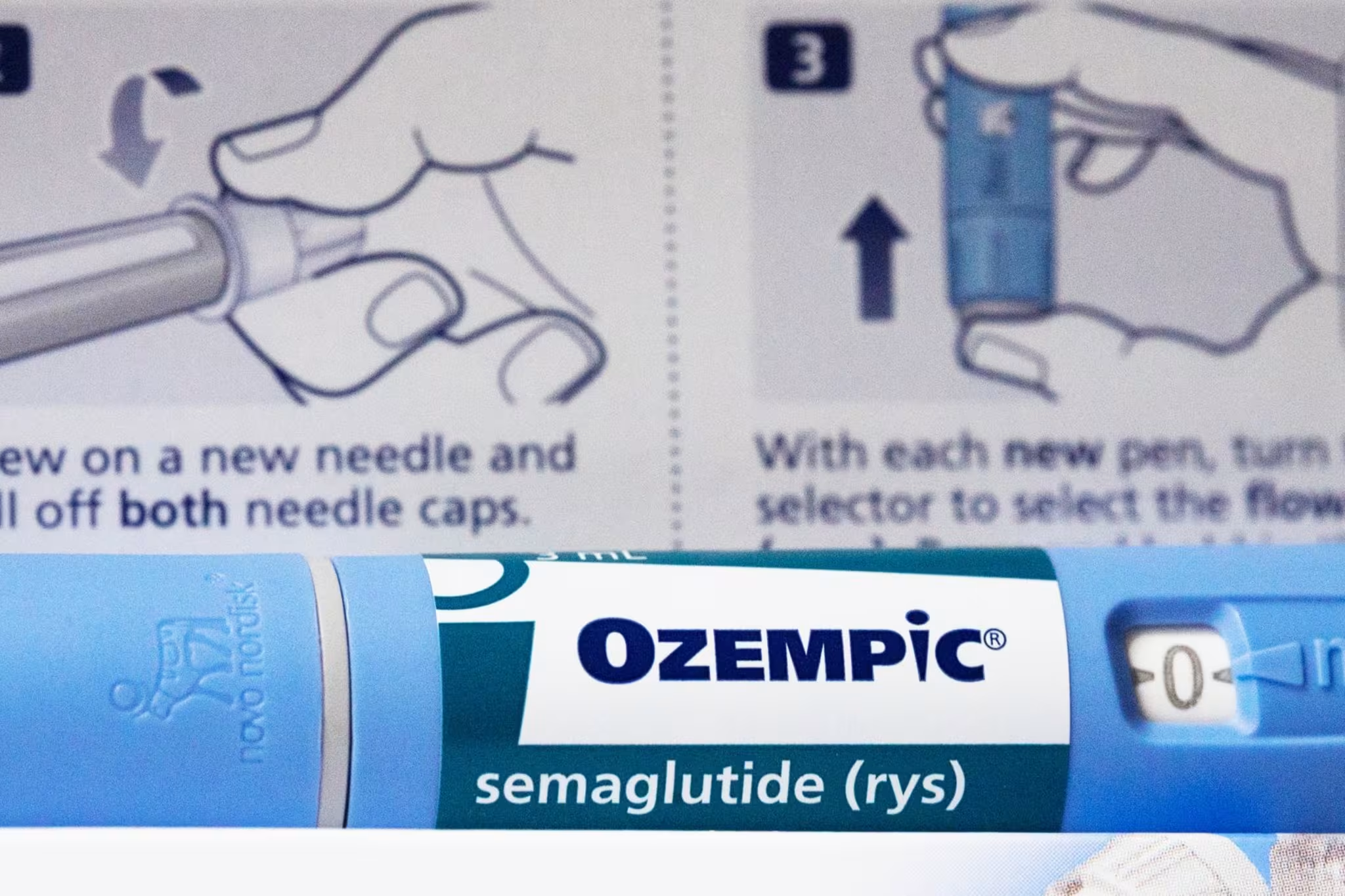
The two most widely used active ingredients are semaglutide and tirzepatide. Semaglutide is the active ingredient in Ozempic® and Wegovy® (made by Novo Nordisk). It targets one hormone receptor, GLP-1. Tirzepatide is the active ingredient in Mounjaro® and Zepbound® (made by Eli Lilly). It targets two receptors, GLP-1 and GIP. Common side effects for both include nausea, constipation, and other stomach issues, especially when the dose goes up.
Doses usually start low and increase gradually under a provider’s supervision. Obesity is now widely treated as a chronic condition, so GLP-1 treatment is increasingly seen as long-term care that may include medication, follow-up, and lifestyle support.
Background on Compounding
Compounding is when a licensed pharmacist prepares a medication for an individual patient, based on a prescription from a licensed provider. State-licensed pharmacies that do patient-specific compounding are known as 503A pharmacies.
Compounded semaglutide and compounded tirzepatide are alternatives to brand-name drugs, but they are not the same products. Compounded medications are not approved or evaluated by the FDA for safety, effectiveness, or quality. They’re meant for patients whose clinical needs can’t be met by an FDA-approved product, for example, a patient who needs a dose the brand-name product doesn’t offer.
Additionally, many regulations have tightened. During the GLP-1 shortages (which ended for tirzepatide in December 2024 and for semaglutide in February 2025), compounders had more room to make these medications. Now that the shortages are over, federal law restricts routine compounding of products that are essentially copies of commercially available FDA-approved drugs, although certain patient-specific exceptions may apply.
Compounded Semaglutide
The defining traits of compounded semaglutide are that it may mimic a single gut hormone called glucagon-like peptide-1 (GLP-1) and can work by potentially reducing an individual’s appetite and regulating blood sugar. For years, these kinds of substances have been used in diabetic patients, but in recent years, they have begun to cross over as weight-loss aids in the mainstream.
Compounded Tirzepatide
Unlike semaglutide, which exclusively mimics the capabilities of the gut hormone GLP-1, tirzepatide can mimic two gut hormones simultaneously in the form of GLP-1 and glucose-dependent insulinotropic polypeptide (GIP). In this way, tirzepatide may target a broader metabolic pathway than semaglutide alone.
Background on Mochi Health
Mochi Health is a U.S. telehealth company that connects patients with licensed doctors for weight care, as well as other areas like wellness, skin, and hair. Patients start with a health questionnaire, then have a live video visit with a doctor. If the doctor determines a medication is clinically appropriate, a licensed pharmacy fills the prescription and delivers it to the patient’s door. Membership includes ongoing access to the patient’s care team for follow-up, side effect questions, and dose adjustments. Mochi prescribes both brand-name GLP-1s and compounded options, at the provider’s discretion.
Final Thoughts
The weight loss journey of American consumers is something that has been evolving and progressing in surprising ways for decades and shows no signs of slowing. If anything, new weight-loss aids such as GLP-1s have only further opened up additional avenues of exploration and conversation, as consumers look for new ways to stay fit and fight off excess weight gain.
When beginning their research, patients can ask whether a medication is FDA-approved or compounded, why a particular formulation or dose is appropriate for their needs, and what kind of ongoing monitoring the provider offers. Whether treatment involves semaglutide, tirzepatide, or another option, working with a licensed medical provider can help patients weigh potential benefits, side effects, and individual health considerations while receiving follow-up care.
This article is for informational purposes only and does not substitute for professional medical advice. If you are seeking medical advice, diagnosis or treatment, please consult a medical professional or healthcare provider.
Complex newsroom and editorial staff were not involved in the creation of this content.
Life
What Patients Should Know as the Semaglutide and Tirzepatide Landscape Evolves
New medications are being used to support weight loss, but with so many options, it can be difficult to choose the best option for you.
Related Stories

Style
Paloma Elsesser Says Weight-Loss Drug Era Strips Away the 'Agency to Live'
In an appearance on 'Vogue's' 'The Run-Through' podcast, Elsesser suggested Ozempic and similar drugs were ultimately more harmful than good.
Joe Price22 days ago
Life
Makers of Ozempic and Other GLP-1 Drugs Face Hundreds of Lawsuits Over Sudden Vision Loss
Patients allege drugs including Wegovy and Mounjaro caused NAION, a rare form of optic nerve damage—and that they weren't warned of the potential risk.
Bernadette Giacomazzo27 days ago

Pop Culture
Tim Robbins Lost 25 Pounds By Consuming Only Lemon Juice, Cayenne Pepper, and Maple Syrup
The 'Silo' star said he went 14 days without solid food and felt "amazing" by the end of the process.
Jaelani Turner-Williams82 days ago
Trending
2
3
5