Key Takeaways
- The FDA will require Ozempic, Wegovy, Mounjaro, Zepbound, and other GLP-1 drugs to carry warnings about NAION, a rare optic nerve condition that can cause sudden, permanent vision loss.
- An FDA review found 10 probable NAION cases among GLP-1 users versus five among placebo recipients across 126 trials, but researchers have not established how the drugs might cause the condition.
- Hundreds of patients have sued Novo Nordisk and Eli Lilly over alleged failures to warn about eye damage, while the FDA urges anyone experiencing sudden vision loss or unexplained visual changes to contact a healthcare professional immediately.
The warning that hundreds of patients said they never received is now coming to every GLP-1 label in the United States.
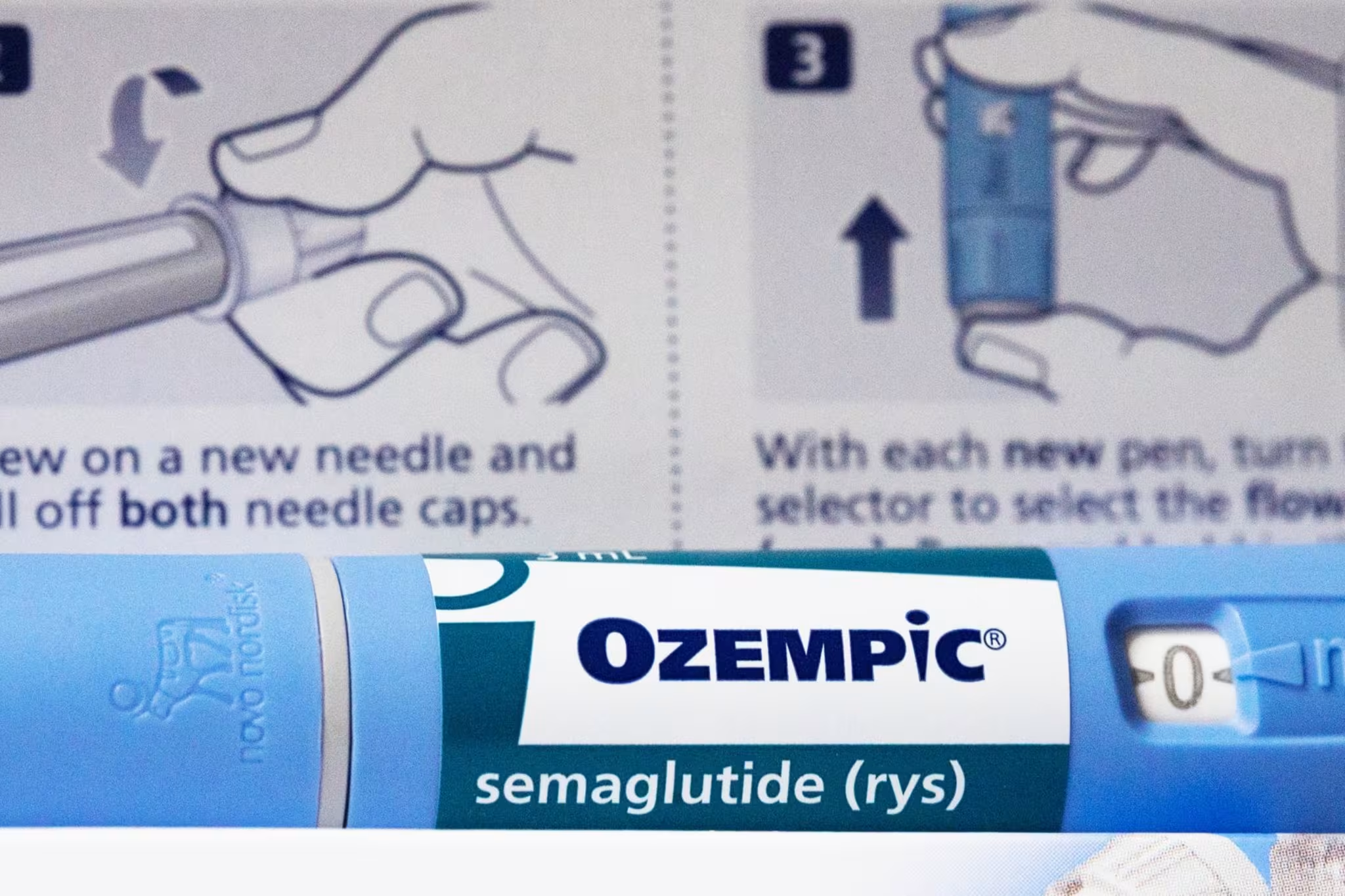
According to CNN, the FDA announced that Ozempic, Wegovy, Mounjaro, Zepbound, and all other GLP-1s must carry new language about a potential increased risk of non-arteritic anterior ischemic optic neuropathy, or NAION. The rare condition can strike without pain or advance notice, cutting off blood flow to the optic nerve and leaving some patients with permanent vision loss.
The warning will appear under the labels’ “Warnings and Precautions” section, where patients and prescribers are alerted to serious potential risks. The FDA said symptoms can include sudden loss of sight in one eye, blind spots, tunnel vision, distorted colors, and blurred or hazy areas.
Some patients first realize something is wrong when they wake up unable to see clearly.
The agency reached its decision after reviewing clinical trials, observational research, animal data, and reports submitted after the drugs reached the market.
An analysis of 126 controlled trials identified 10 probable NAION cases among GLP-1 users and five among patients receiving a placebo. The rate amounted to 6.4 cases per 100,000 person-years for people taking GLP-1s, compared with 3.8 among those in the control group.
The agency did not find a biological mechanism showing how the drugs could cause NAION, and both major manufacturers continue to reject a proven connection.
“FDA’s drug safety communication applies to all medicines with GLP-1 RA activity and does not reference any findings specific to Lilly medicines,” an Eli Lilly spokesperson said. “We are carefully evaluating the update and will respond to FDA promptly.”
Novo Nordisk also stood behind Ozempic and Wegovy. “Novo continues to believe the data do not establish a cause-and-effect relationship,” a spokesperson said, adding that the company remains “confident in the benefit-risk profile” of its GLP-1 medications.
One 63-year-old man reportedly lost sight in one eye four months after he began taking Ozempic for diabetes. Unaware of what caused it, he continued using the drug and lost vision in his other eye the following year. He is now legally blind.
Regulators outside the United States moved sooner. In 2025, the European Medicines Agency classified NAION as a very rare side effect of semaglutide, the active ingredient in Ozempic and Wegovy, estimating that it could affect up to one in 10,000 patients using the medication for at least a year.
Four patients in Denmark later received compensation after reporting vision loss connected to Novo Nordisk’s GLP-1s.
The FDA is urging anyone who experiences sudden vision loss or other unexplained visual changes to contact a healthcare professional immediately.